website management and Improve search engine (SEO) Ranking integrating Google Search Console (GSC) and using the HFCM plugin for code management. Content creation and optimization are key themes, emphasizing proper keyword research, the strategic placement of focus keywords, meta descriptions, and maintaining content quality and length. Furthermore, the team engages in performance analysis, reviewing GSC data for metrics like click-through rates and working to improve Core Web Vitals.
Essential website management tasks, such as Search Engine Optimization (SEO) and Google Search Console (GSC) integration, are being taught through guided sessions and implemented via hands-on practical tasks focusing on content creation, optimization workflows, and technical setup.
Instruction on SEO Practices
keyword research, meta titles, meta descriptions, and adding focus keywords.
Improve search engine (SEO) ranking and optimization strategies taught include
Maintaining a minimum content length of 600 words.
◦ Repeating keywords every 100–150 words.
◦ Including focus keywords in URLs.
◦ Using proper meta titles, meta descriptions, and headings.
◦ Focusing on basic SEO factors rather than relying solely on plugins like Rank Math.
◦ Suggesting the use of a minimum of 10 sub headings for proper structuring.
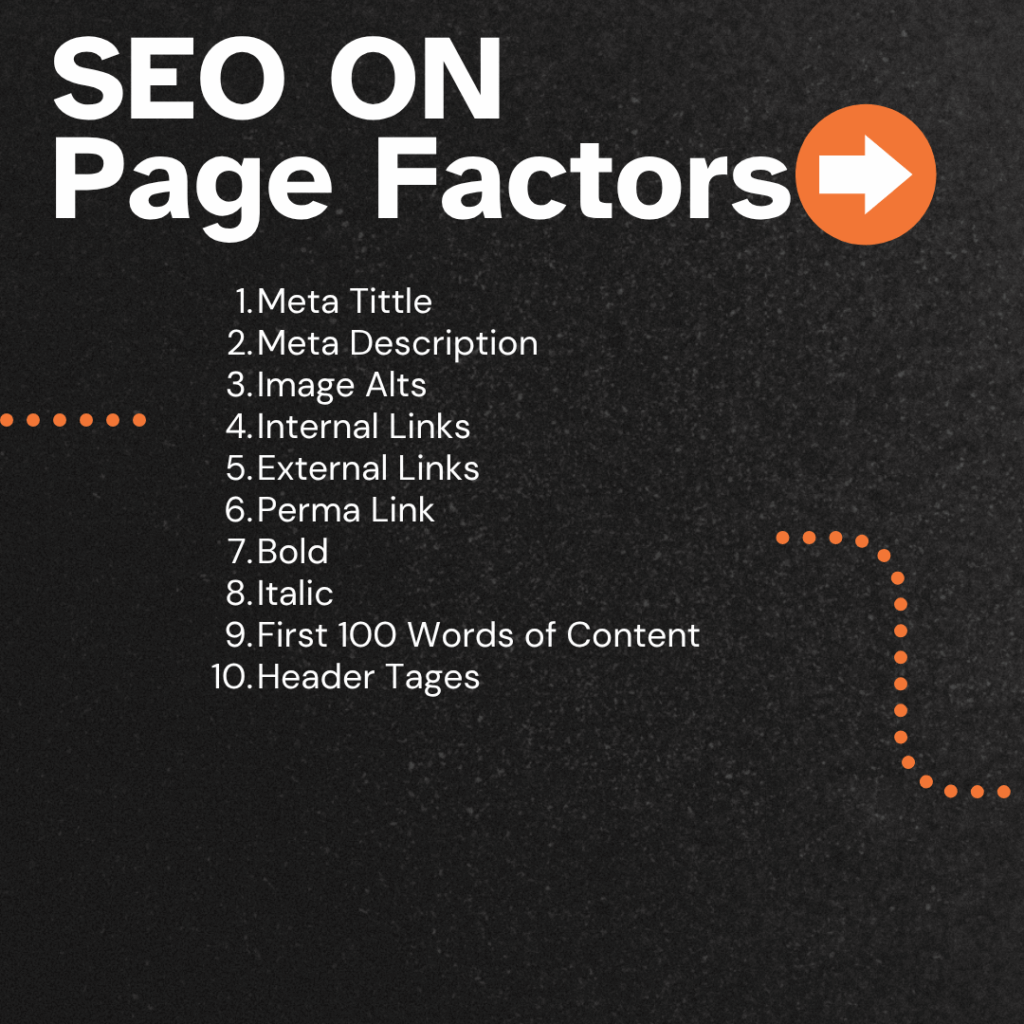
The content creation and review processes consistently emphasize several key on-page SEO factors, focusing heavily on keyword utilization, meta information, and content structure.
The prioritized on-page SEO factors consistently emphasized include:
1.Keyword Research and Placement
Proper keyword research is repeatedly highlighted as important. During optimization and review, specific attention is paid to how focus keywords are used:
2.Focus Keyword Inclusion:
The team emphasizes the need to add focus keywords and addresses issues related to missing focusing keywords.
3.Placement and Frequency:
It is critical to ensure the focus keyword appears early in the content. Stressed the importance of repeating keywords every 100-150 words.
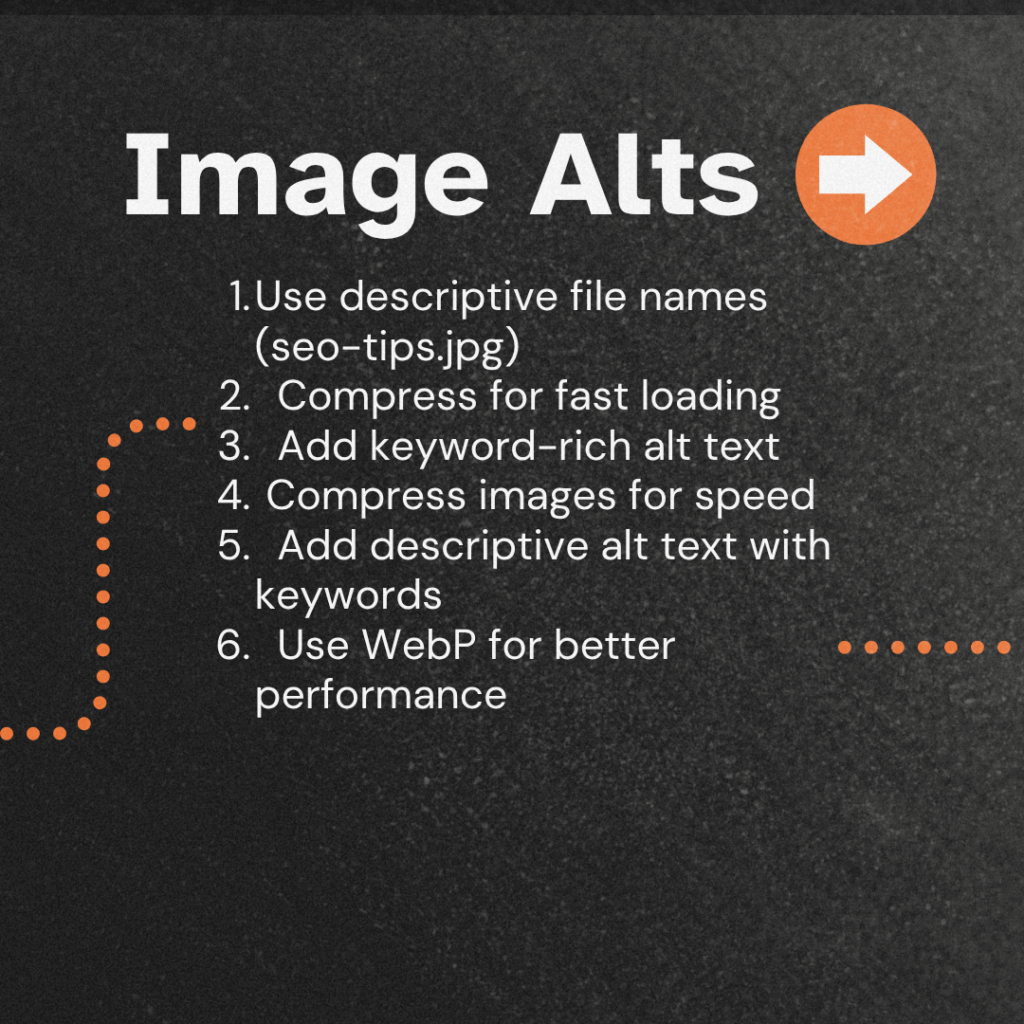
4.URL Integration:
Including focus keywords in URLs is a key strategy, and URL optimization is a discussed task during the content review process.
Meta Information
Meta descriptions and meta titles (or title tags) are foundational components that receive consistent focus during optimization of content and workflow discussions.
Meta Descriptions:
These are consistently discussed and optimized. The team specifically addresses issues such as missing meta descriptions. It is also important that the focus keyword appears in the meta description.
Meta Titles/Title Tags:
Discussions cover the need for proper meta titles and adjusting title tags and descriptions during website updates.
Content Structure and Length
Strategies for structuring content to meet SEO requirements are frequently discussed.
Content Length:
Maintaining a minimum content length of 600 words is emphasized. Content length adjustments are part of the review process.
Headings:
The proper use of headings is addressed, with a suggestion for including a minimum of 10 sub headings.
Quality and Consistency
Beyond technical on-page factors, the overall quality and consistency of the material are prioritized.
Consistent Creation:
Consistent practice in SEO and consistent content creation are deemed significant.
Accuracy and Completeness:
The team emphasizes the importance of accuracy and completeness in submissions, as well as proper spelling and formatting in content creation.
It is important to note that the team is reminded to focus on these basic SEO factors rather than relying solely on plugin scores (like Rank Math), which may not always align with Google rankings. They also track performance metrics like click-through rates (CTR) and analyze data using tools like Google Search Console (GSC) to manage, index, and improve website rankings.
The plugin that manages header and footer codes, according to the sources, is the **HFCCM plugin that manages header and footer codes, according to the sources, is the HFCCM plugin.
The team learned how to install the HFCCM plugin to manage header and footer codes and using Google Search Console (GSC). This plugin was necessary to connect and manage the website, which involved verifying website ownership using methods like HTML tags.
